
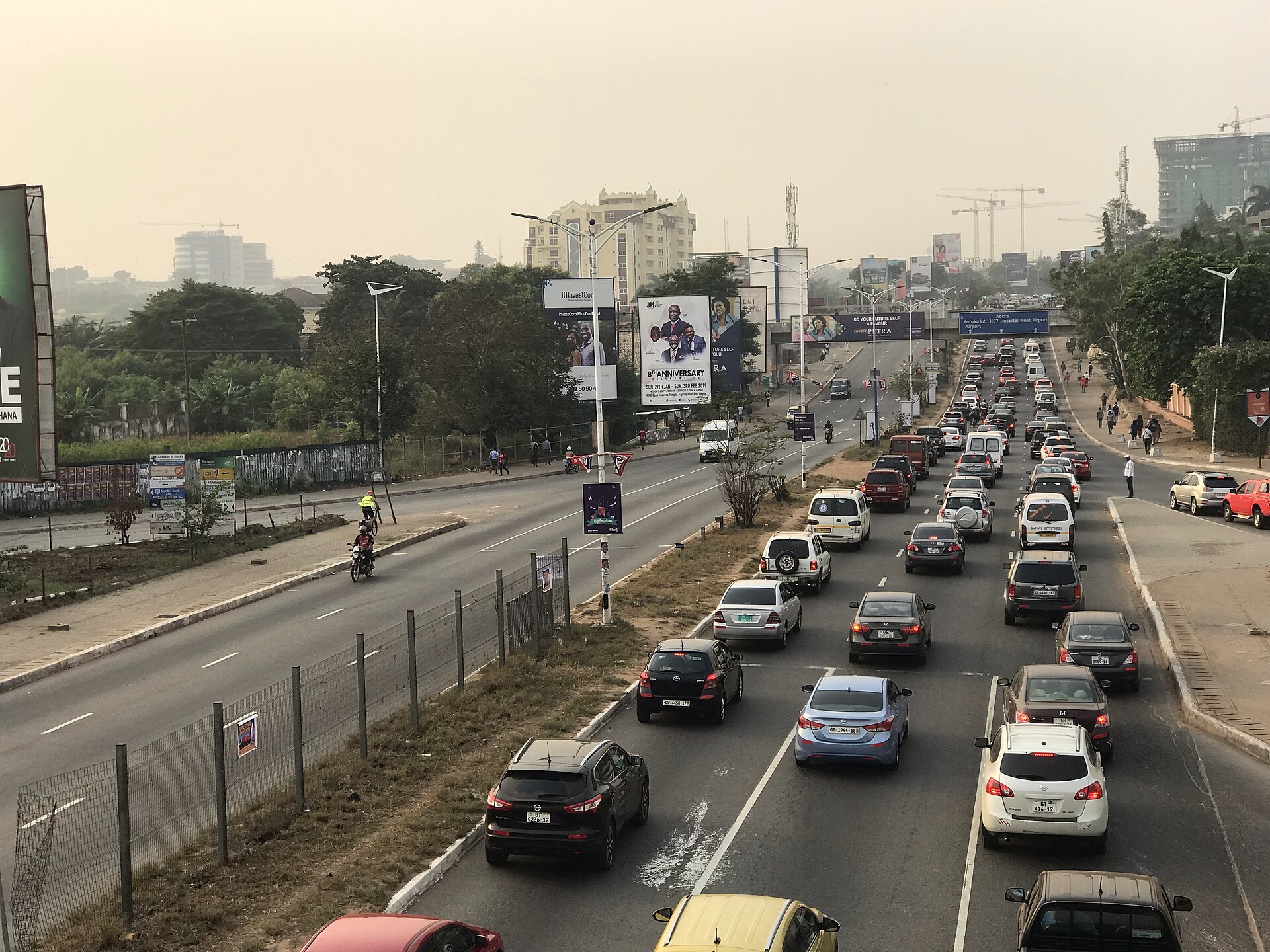
President John Dramani Mahama has thrown his weight behind Ghana's new speed camera system, telling motorists that the simplest way to avoid fines is to stop speeding. He also directed that signposts be put up to warn drivers where the cameras are located, according to a report by Graphic Online.
Traffitech-GH is a camera-based traffic enforcement system rolled out by the Motor Traffic and Transport Department (MTTD) of the Ghana Police Service on November 1, 2026, Graphic Online reports. The first phase covers speeding only. Enforcement for jumping red lights and illegal parking is planned for later phases.
Responding to complaints that the fines are too expensive, Mahama said: "If it is too expensive then don't overspeed, that's all, there is a solution to it," according to the report.
He linked the enforcement to the safety of children, mentioning young people who have been knocked down on their way home from school.
The President rejected calls to fix Ghana's roads before introducing speed cameras. He said road safety measures should not wait for perfect road conditions, pointing to the United Kingdom, where roads are not perfect but speed cameras are widely used, Graphic Online reports.
At the same time, Mahama directed that signposts be placed to show where Traffitech cameras are, so that motorists know a camera is ahead. He said such transparency is important.
The aim, supporters of the approach say, is to change driving behaviour at dangerous spots rather than simply to catch drivers out.
The President made the comments to 1957 News on the sidelines of the Commonwealth Heads of Government Meeting at Jumby Bay Island in Antigua and Barbuda, according to the report.
Road crashes are one of Ghana's most serious public safety problems, killing more than 2,000 people a year in recent years, according to figures regularly cited by the National Road Safety Authority. Speeding is consistently identified as one of the leading causes of crashes, alongside reckless overtaking, drink driving and poor vehicle maintenance.
Pedestrians, including schoolchildren, are among the most vulnerable road users, especially on busy highways that pass through towns and residential areas.
The rollout of Traffitech has sparked lively debate on social media and radio phone-in programmes. Supporters say automated enforcement removes opportunities for bribery and treats all drivers equally. Critics have raised concerns about the cost of fines, the accuracy of the cameras, the poor state of some roads and whether speed limits are clearly marked.
The report did not give details of the fine amounts or how they will be collected.
Speed cameras are used in many countries to reduce speeding, especially near schools, junctions and accident hotspots. Studies in several countries have found that well-placed cameras can reduce speeds and crashes in the areas where they operate, particularly when drivers know where they are.
Mahama's call for warning signs reflects that approach, which focuses on slowing traffic at dangerous locations rather than raising money from fines.
The National Road Safety Authority has also been pressing road agencies to fix faded road markings across the country, arguing that clear markings and signs are essential for drivers to know and respect speed limits.
Attention will now turn to how quickly warning signposts are installed, how the fines are enforced, and when the system expands to cover red-light and parking offences. Motorists will also be watching to see whether the cameras lead to a measurable drop in speeding and crashes on Ghana's busiest roads.