
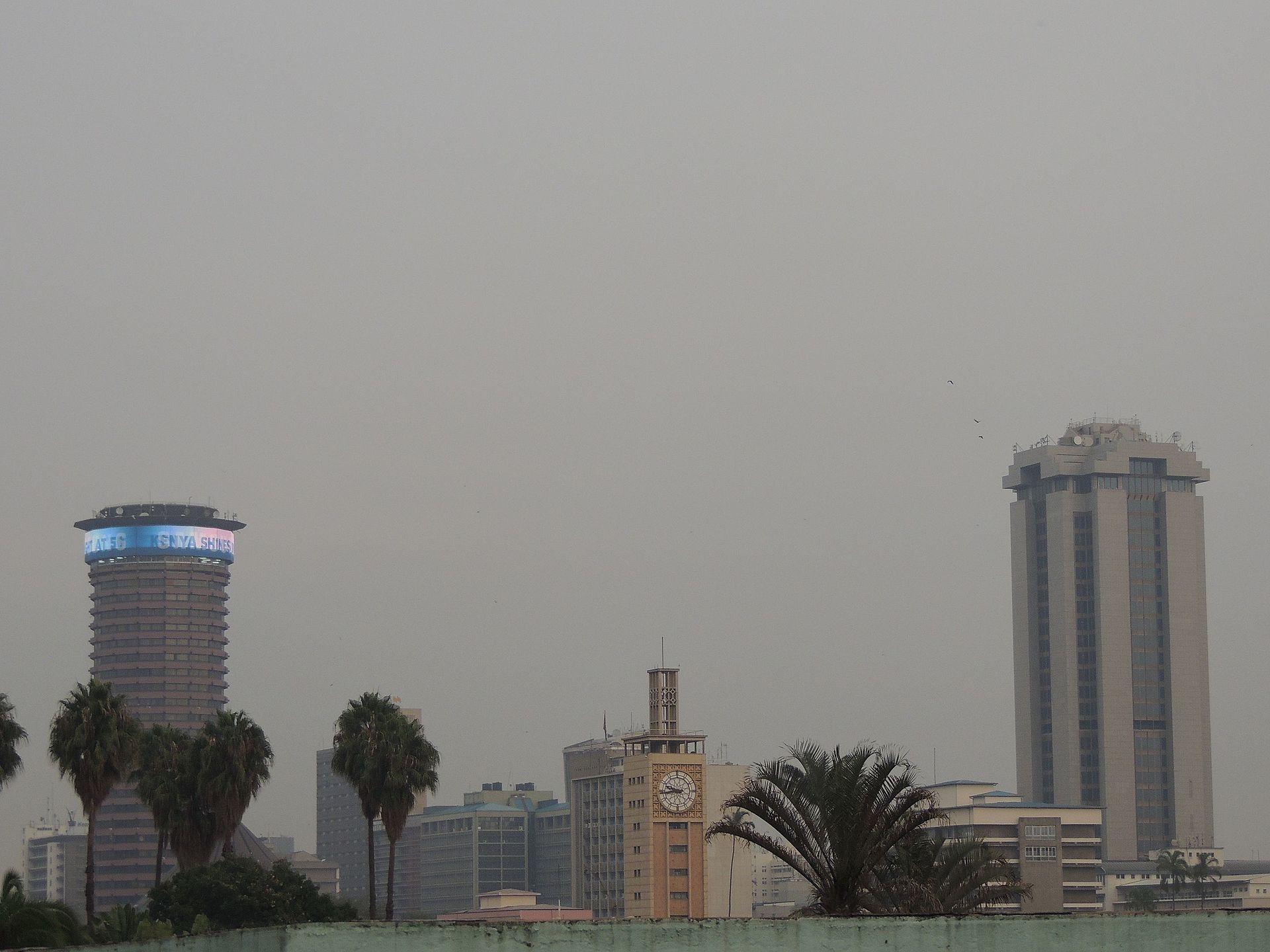
Ebola has reached Kenya. The country has confirmed its first case of the disease after a Kenyan citizen who travelled home from the Democratic Republic of Congo died in Nairobi.
The case was reported by YEN.com.gh and by international outlets including ABC News and US News, citing Kenyan health officials. The Standard in Kenya described the patient as the country's first imported Ebola case.
According to YEN.com.gh, the patient was a Kenyan national who had lived in DR Congo for seven years. He fell ill about a month earlier in Congo and was treated at several hospitals there.
He then travelled overland to Kampala, Uganda, and boarded a flight to Nairobi, arriving on Saturday. YEN.com.gh reports that he passed routine screening at the airport without being flagged.
His symptoms included fever, chills, extreme fatigue, weakness, painful swallowing, muscle pain and bleeding under the skin. Doctors suspected a viral haemorrhagic fever and took samples for testing. He was isolated and treated at Nairobi Hospital, according to ABC News, but died late on Monday.
Health Minister Aden Duale said the sample "tested positive for Ebola Bundibugyo virus," YEN.com.gh reports. The Bundibugyo strain is rarer than the Zaire strain responsible for the deadly West Africa epidemic of 2014 to 2016. Importantly, there is currently no approved vaccine or specific treatment for it.
Kenyan health authorities have moved quickly to trace people who may have been exposed. According to ABC News, officials identified 28 contacts, including family members and health workers, and are tracing 23 passengers from the flight from Uganda. YEN.com.gh adds that four crew members are also being traced.
Patrick Amoth, a senior official at the Health Ministry, said the contacts "will remain in isolation for 21 days and will be released after testing negative," as quoted by ABC News. Twenty-one days is the maximum incubation period for Ebola.
The case is linked to an outbreak that was declared in eastern DR Congo in mid-May 2026. ABC News describes it as the fastest-growing Ebola outbreak in history, and reports that the World Health Organization has warned it "could become the deadliest" as it continues to outpace efforts to contain it. YEN.com.gh reports that the outbreak has claimed more than 4,000 lives this year.
Kenya is now the fourth country affected by the outbreak, according to ABC News, after DR Congo, Uganda and France.
The patient's journey from Congo through Uganda to Kenya highlights a key challenge in controlling outbreaks: people infected in one country can travel long distances before showing severe symptoms or being diagnosed. Screening at borders and airports can help, but it cannot catch every case, especially in the early stages of illness.
Ebola is a severe and often fatal disease spread through direct contact with the blood, body fluids or tissues of infected people or animals, or with contaminated materials. It is not spread through the air like flu. Early symptoms such as fever, fatigue and muscle pain can look like other illnesses, which makes early detection difficult.
There are no reported cases in Ghana. However, the Kenyan case shows how the disease can cross borders through ordinary travel, and how an infected person can pass through airport checks without being detected.
Ghana's health authorities have experience preparing for Ebola from the 2014 to 2016 West Africa outbreak, when neighbouring countries were badly affected but Ghana recorded no cases. Travellers returning from affected areas are advised to watch for symptoms and seek medical care quickly, telling health workers about their travel history.
Talk Talk will follow updates from health authorities in Kenya and across the region.