
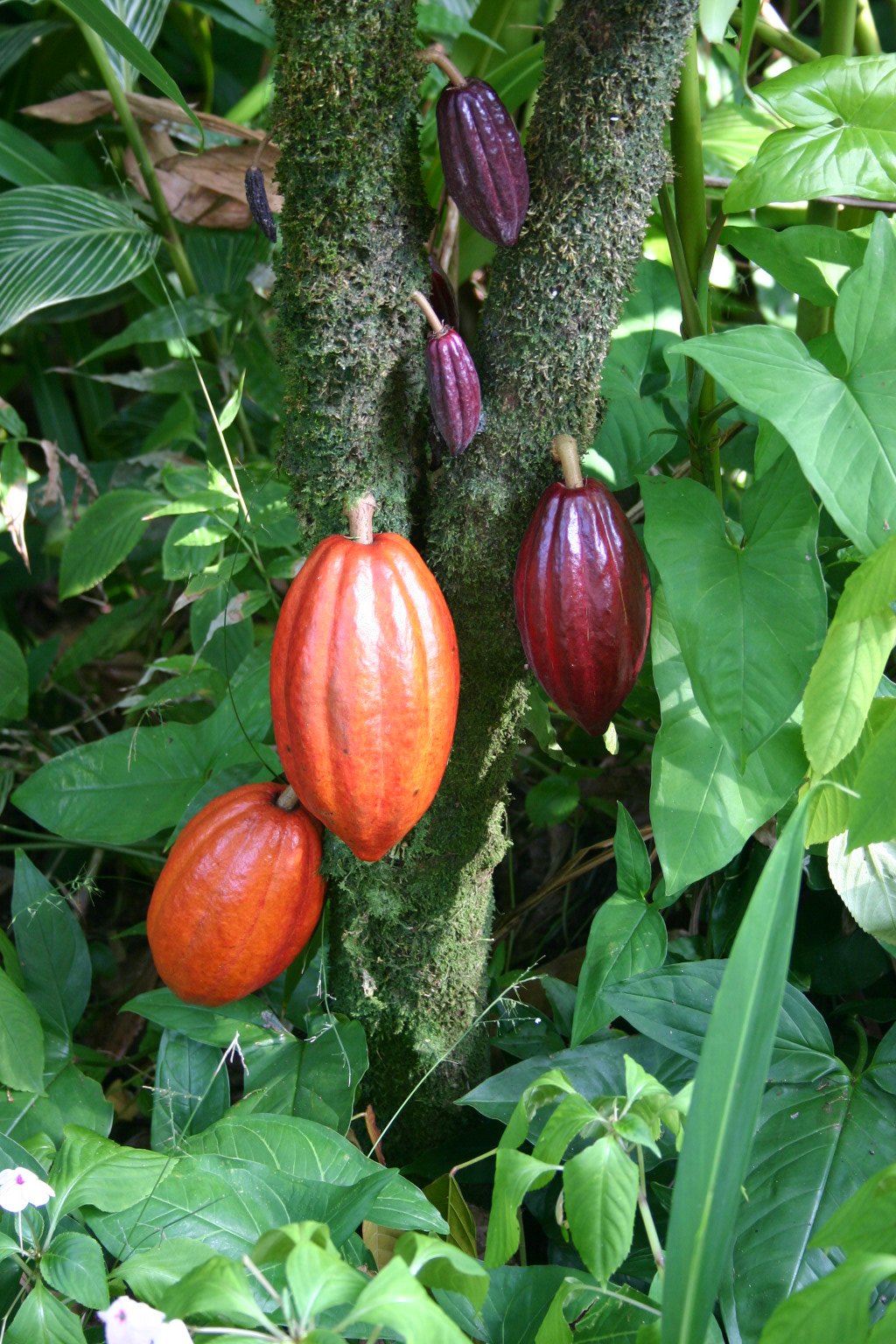
The sharp fall in global cocoa prices is a wake-up call for Ghana, according to Trade, Agribusiness and Industry Minister Elizabeth Ofosu-Adjare. Speaking at the opening of the EU-Ghana Agribusiness Exhibition Forum and Trade Mission 2026, she said the country must process more of its crops at home instead of exporting them raw, according to a report by Citi Newsroom.
Global cocoa prices fell from a historic peak of about US$10,000 per tonne in early 2025 to approximately US$4,000 by early 2026, Citi Newsroom reports.
The minister said the collapse "exposed with brutal clarity the vulnerability of an economy that exports raw commodities," leaving value creation "to others."
The government is targeting domestic processing of at least 50% of Ghana's cocoa production, according to the report. Installed grinding capacity is expected to exceed 500,000 metric tonnes.
Ofosu-Adjare pointed to signs of progress. Ghana's non-traditional exports reached a record US$5 billion in 2025, up 30.7% from the previous year, Citi Newsroom reports. Processed and semi-processed products earned US$3.9 billion, an increase of 52.78%, with cocoa products such as paste, butter and powder the biggest contributors.
She said Ghana should apply the same approach to other crops, including cashew, fruits, vegetables, cassava, maize, rice and oil palm.
The minister urged European investors to pursue joint ventures, processing facilities, technology transfer and supply-chain partnerships with Ghanaian businesses, the report says. She also said her ministry and the Ghana Free Zones Authority have started work on an industrial park at Afienya, near Tema.
Ghana is the world's second-largest cocoa producer after Côte d'Ivoire, and the crop supports hundreds of thousands of farming families. For decades, most of Ghana's cocoa has been exported as raw beans, while the most valuable stages of processing and chocolate-making take place in Europe and elsewhere.
The record prices of 2024 and 2025 were driven largely by poor harvests in West Africa caused by disease, ageing trees and weather. As supply recovered and demand adjusted, prices fell back sharply.
Price swings on world markets affect the revenues of Ghana Cocoa Board (COCOBOD), the price paid to farmers and the country's foreign exchange earnings. Processing more beans locally could create jobs, keep more value in the economy and reduce Ghana's exposure to swings in raw bean prices.
COCOBOD has also been working on new ways to finance the cocoa sector, including raising money through local commercial paper, as Talk Talk reported last month.
Local processing is not only about cocoa butter and paste for export. Ghanaian chocolate brands, both established and new, have been growing, and campaigns such as National Chocolate Day on February 14 encourage Ghanaians to consume more locally made cocoa products.
Building processing capacity is costly. Grinding plants need reliable power, skilled workers, access to finance and steady supplies of beans, and processed cocoa products must compete in tightly controlled global markets dominated by a few large companies. Investors also look for stable policies and incentives before committing.
The minister's call for joint ventures and technology transfer is aimed at closing some of those gaps by bringing in partners with experience and market access.
The European Union is Ghana's largest market for cocoa and a major trading partner. The EU-Ghana Agribusiness Forum brings together businesses, investors and officials from both sides to explore trade and investment opportunities in agriculture and food processing.
Attention will turn to whether new investment in processing materialises, how quickly the Afienya industrial park develops, and whether Ghana can reach its 50% local processing target.