
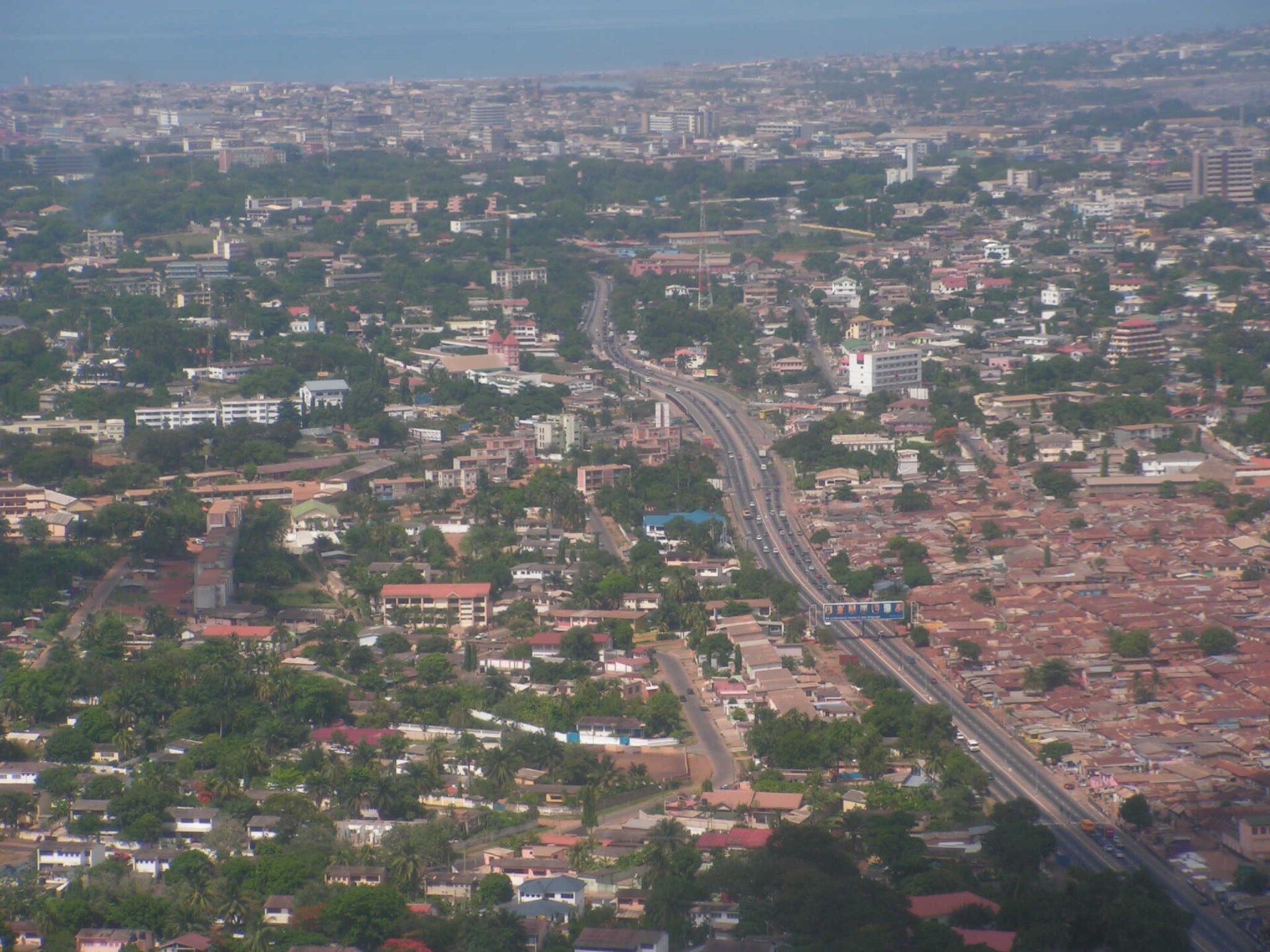
Accra's roadsides are crowded with advertising, and much of it may be breaking the rules. The Advertising Association of Ghana (AAG) says between 40% and 60% of the more than 10,000 billboards in the capital are illegal, according to a report by YEN.com.gh.
AAG President Andrew Ackah shared the figures on the Citi Breakfast Show on Wednesday, November 4, 2026. "We counted over 10,000 billboards," he said, according to the report.
The association funded and carried out the count itself, mapping billboards across Accra and checking each one against the law and technical guidelines for outdoor advertising. Ackah said many structures break traffic and building regulations, while others raise concerns about their structural integrity and the materials used.
Ackah pointed the finger at the Metropolitan, Municipal and District Assemblies (MMDAs), which issue permits for outdoor advertising and are supposed to ensure structures meet standards, YEN.com.gh reports.
He said the Ghana Standards Authority's guideline for billboards, GS 847:2019, is comprehensive, but the assemblies are not applying it.
According to the report, the standard requires billboards to comply with the Ghana Building Code and to withstand wind and seismic loads. Assemblies must approve certified drawings before structures go up.
The standard also sets spacing rules based on road speed limits, bans signs on road medians and limits adverts on pedestrian walkways and cycle paths.
A 2024 review with the National Road Safety Authority found more than 300 billboards along a 13-kilometre stretch from Accra Mall through Spintex Road to Sakumono Junction, YEN.com.gh reports. The standard allows no more than 100 on that corridor.
Concerns about billboard safety grew last month after a billboard collapsed onto four vehicles at Heroes Park near the Baba Yara Sports Stadium in Kumasi on Saturday, October 3, 2026, during the New Patriotic Party's National Delegates Conference. No injuries were reported.
The Ministry of Local Government set up a multi-agency technical committee and began demolitions in major cities earlier this year. On April 28, Deputy Local Government Minister Rita Naa Odoley Sowah gave district chief executives in Greater Accra seven days to remove unauthorised structures, according to the report.
In May, the Outdoor Advertisers Association petitioned the government to suspend the removal of median signs, saying many of its members held valid permits from assemblies. "We don't need a total ban; we need smart regulation," the association said.
In October, the chair of Parliament's Local Government Committee, Queenstar Maame Pokuah Sawyerr, urged Accra Mayor Michael Kpakpo Allotey to remove unauthorised boards that block drivers' views.
Billboards are a key tool for brands, including in Ghana's entertainment industry, where concerts, films and products are often promoted on roadside boards. But poorly placed or badly built billboards can distract drivers, block sightlines and pose a danger if they collapse, especially during storms.
The AAG's figures suggest that, six months after the government's ultimatum, little has changed along Accra's roads.
Beyond safety, the sheer number of billboards affects how the city looks and how effective advertising is. When too many boards crowd a single stretch of road, each message competes for attention, reducing the value for advertisers. Urban planners have also argued that cluttered roadsides make cities less attractive to residents and visitors.
The industry itself appears divided. Some advertisers support stricter enforcement to improve standards, while outdoor media firms worry about losing structures they say were approved by assemblies.
Attention will turn to whether local assemblies step up enforcement, and how advertisers and outdoor media companies respond to pressure for stricter regulation.